Westlands: A Market Worth Approaching With Caution
Market Insights
6 minutes
August 5th, 2026
Westlands : A market worth approaching with caution
I want to share something the data has been pointing to for a while, and that I think deserves an honest conversation: the Westlands apartment market is under real pressure, and buyers should go in with their eyes open.
In 2025, Westlands topped the list of worst-hit suburbs in Nairobi, with apartment sales prices falling 11.5% over the year. For an area with the reputation and price points that Westlands commands, that's a significant correction.
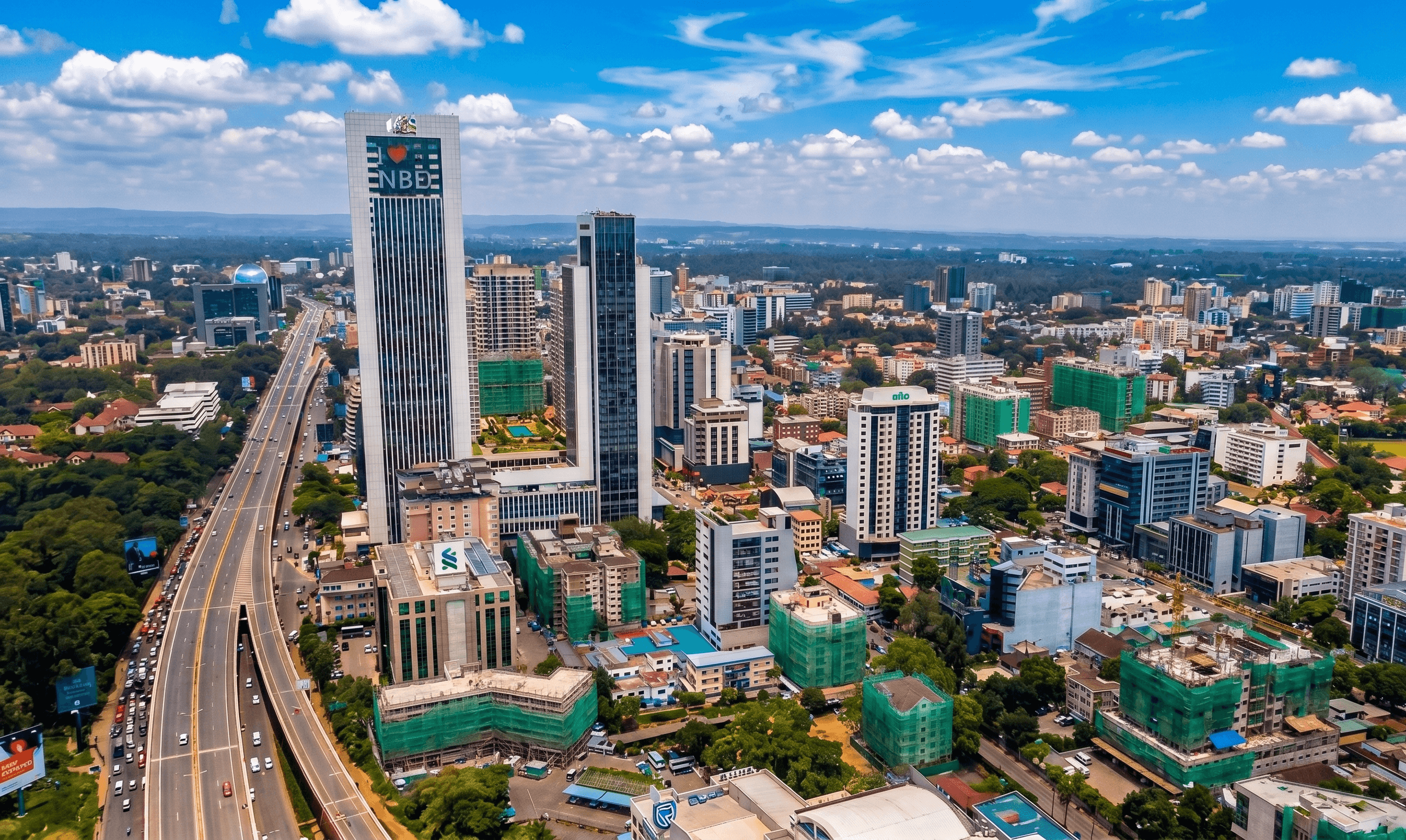
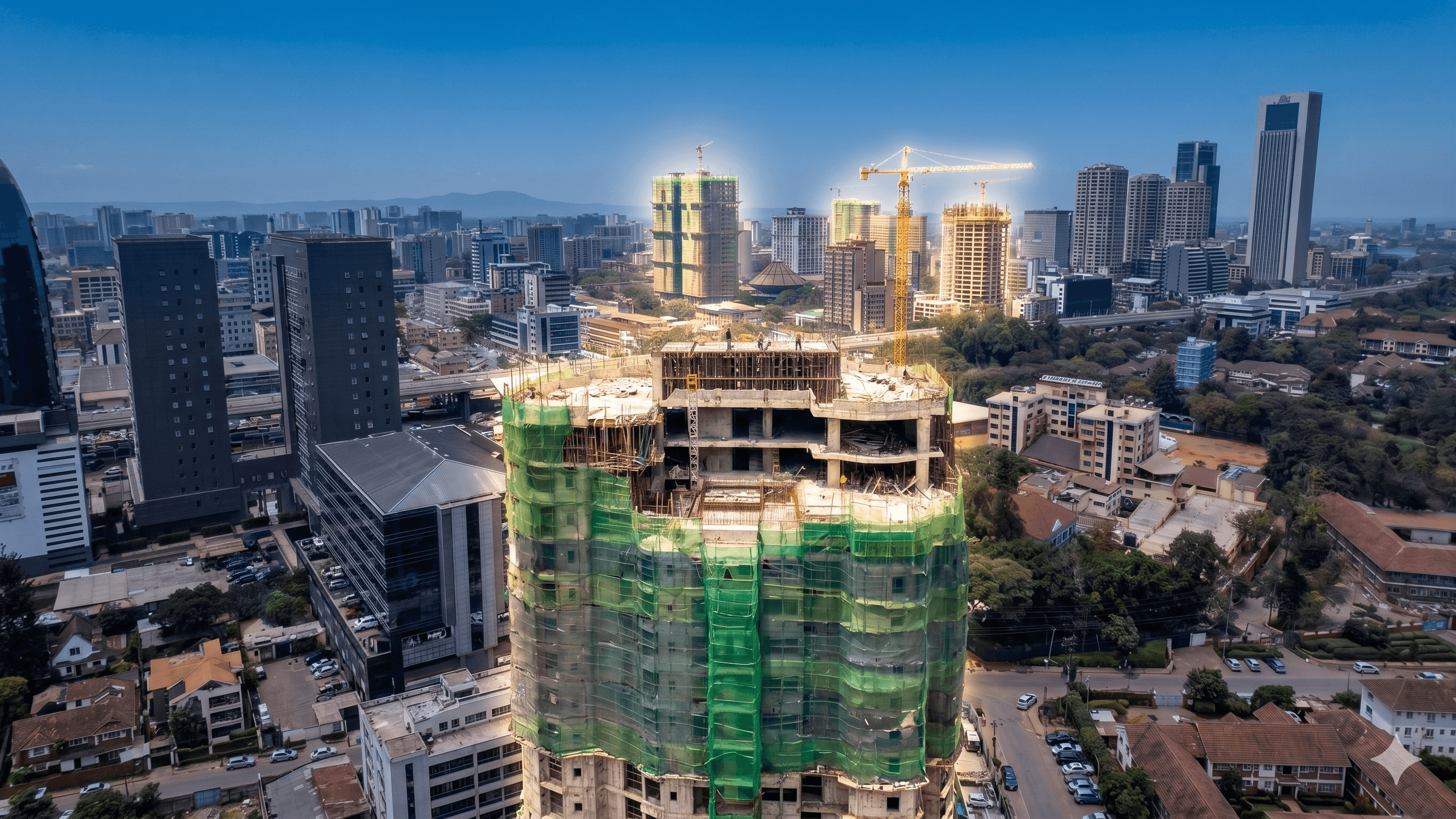
The story of how we got here is fairly straightforward. A steep rise in rents back in 2013, as Westlands emerged as the city's most vibrant quarter, triggered a wave of new developments that has never really stopped. Each year, buildings were taller, filled with more amenities and also finished to a higher standard. Fast forward to 2025, and you can count at least 25 cloud-touching 'mega' projects under construction. Developer after developer entered the market, building a broadly similar product — high-rise, amenity-rich, positioned at the premium end, attracting investors who rented their apartments out. There is no doubt that most of these developments are of high quality — certainly a much higher standard than a decade ago — but is there really such a need for this much supply? Today there are over 745 apartments listed for sale in Westlands alone. What will happen when the thousands of units approaching completion flood the market? The supply has simply outpaced the demand that originally justified it.
I've been highly immersed in this market since 2010, and this pattern isn't new. A neighbourhood or niche gains momentum, developers pile in, and the very thing that made it attractive — scarcity, energy, strong yields — gets gradually eroded. This is a multi-year structural imbalance between supply and demand, and Westlands has felt it most acutely. I could argue that business hotels in Nairobi have gone through this cycle in the last 7 years and high-end luxury lodges in national parks will go through this in the near future.
The standard pitch for Westlands is that it attracts a stable, premium tenant base — diplomats, expats, professionals. That remains partially true. Westlands is certainly an area I frequently visit when dining out. But when vacancy rates in some buildings are running at 30–40% and landlords are cutting rents just to attract tenants, the premium narrative becomes harder to sustain. Premiums require scarcity. Right now, Westlands doesn't have that.
Where does this leave buyers and investors? Context matters a lot. For someone buying a home to live in a location they genuinely want to be, Westlands could still offer real quality of life. For an investor focused on capital appreciation or rental yields, the numbers deserve serious scrutiny.
The broader market data reinforces this. While Westlands apartment prices fell 11.5% in 2025, satellite towns like Juja recorded land appreciation of 13.6% over the same period. Well-located, master-planned developments outside the city center are performing strongly, driven by real housing demand rather than speculative momentum.
There are signs of stabilization — declines slowed in Q4 2025 as demand began catching up with supply. The long-term case for the area isn't gone. But a recovery will take time, and buyers paying today's prices are betting on that recovery materializing.
My view, for what it's worth: the fundamentals of sound property investment haven't changed. Buy where demand is genuine, supply is managed, and infrastructure supports long-term growth. Apply those filters carefully before committing — in Westlands or anywhere else.
This article is a reflection of the writer's own views

Kavit Shah
Founder & CEO of Maisha Developments