Who is going to live in all these apartments?
Industry insights
6 minutes
August 5th, 2026
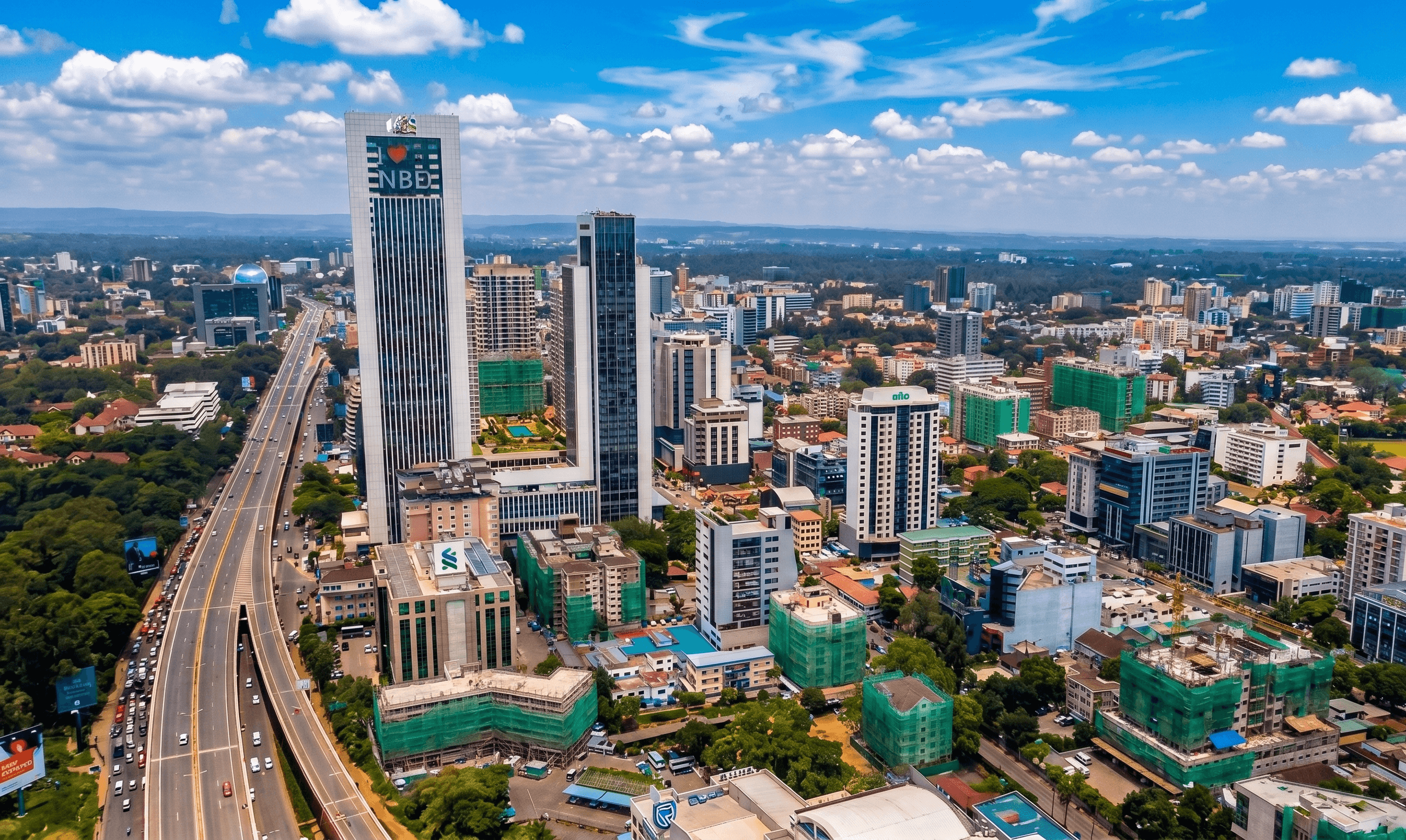
Walk through Westlands on any given day and the skyline tells a story. Tower cranes everywhere. Hoardings promising rooftop pools, sky lounges, smart home features, and "luxury living." Project after project, floor after floor. It's impressive. And scary. I keep coming back to the same question, and I haven't heard anyone answer it convincingly: who exactly is going to live in all of these units?
Let's look at the numbers
There are already over 750 apartments listed for sale in Westlands today. That's the existing stock. If there are 25 projects all under construction, with 150-200 units each - that's approximately 4,000-5,000 new apartments coming into the market. As we all know, the buyers of these units are not homeowners, but investors who will all be looking to rent out their units. You are looking at a supply pipeline that will take years to absorb — if it gets absorbed at all.
The standard answer from developers and agents is that Westlands attracts a premium, stable tenant base. Diplomats. UN staff. Expats. Corporate executives. And that tenant pool is real. Nairobi is East Africa's diplomatic capital, with over 60 embassies and high commissions, the UN headquarters for Africa in Gigiri, and dozens of international organisations whose senior staff arrive on postings and need quality accommodation. I don't dispute that. What I dispute is the assumption that this pool is large enough — or growing fast enough — to fill what is being built.
The diplomatic and expat community in Nairobi is not a growing market. It is a relatively fixed one. The number of UN postings, embassy staff, and multinational executives does not double because more towers go up. These tenants also cluster in specific streets and buildings — the diplomatic residential corridor in Westlands is well defined, and tenants paying KES 200,000 to KES 500,000 a month gravitate to a specific set of streets and buildings that meet UN security standards and embassy protocols. The vast majority of new stock being built sits outside that corridor.
So who is the real target tenant?
Strip away the diplomatic pitch and you're left with young Nairobi professionals and middle-income families. That is a legitimate and large market — but it is also a market with a very firm ceiling on what it can pay. A two-bedroom apartment in Westlands commands rents that put it out of reach for most Kenyan households. The maths simply doesn't work for the average professional earning a Nairobi salary, who generally spend about 30% of their post-tax salary on rent
This matters enormously for investors buying these units as buy-to-let. Some buildings are already running vacancy rates of 30–40%, with landlords cutting rents just to attract tenants — and this is before the current wave of construction completes. When thousands of additional units hit the market over the next two to three years, all chasing the same finite tenant pool, something has to give. Either rents fall further, vacancy climbs higher, or both.
The question buyers should be asking
I've been in this market since 2010. I've seen the cycle play out — an area gains momentum, developers flood in, and supply overwhelms the demand that originally justified the prices. Westlands apartment prices already fell 11.5% in 2025, while construction continues at pace. That disconnect — prices falling while supply keeps growing — is not a healthy market signal.
If you are buying in one of these new Westlands developments as an investor, ask one question before anything else: show me specifically who my tenant is, what they will pay, and what the vacancy rate is in comparable completed buildings nearby right now. Not CGIs. Not projections. Actual data from actual occupied buildings.
In a market this oversupplied, that answer will tell you everything.

Kavit Shah
CEO & Founder of Maisha Developments in Tilisi,Limuru